Articles
Living Without Municipal Water: Exploring Water Supply Options
Mar 19, 2026
When selecting an off-grid water supply option, consider factors such as cost, maintenance, climate, and local regulations. Cement and plastic cisterns are great for those needing substantial storage, while wells offer steady supplies if groundwater is accessible. Rain collection is ideal for eco-conscious homeowners, and natural water bodies are useful with the right filtration. Each option comes with unique benefits and challenges, so choose based on what aligns with your lifestyle and location.
Choosing a reliable water supply is one of the most crucial aspects of living without municipally supplied water. With multiple options available, it’s important to weigh the pros and cons of each to find the right fit for your needs. Below, we break down the benefits and drawbacks of the most common non-municipally supplied water methods.
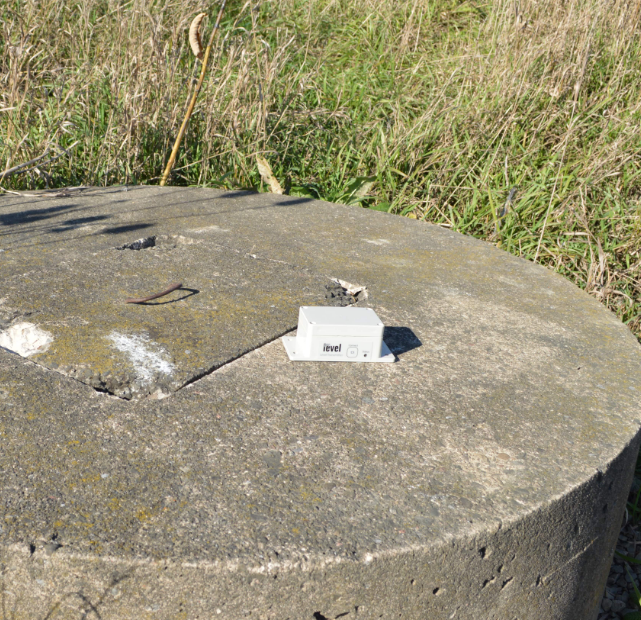
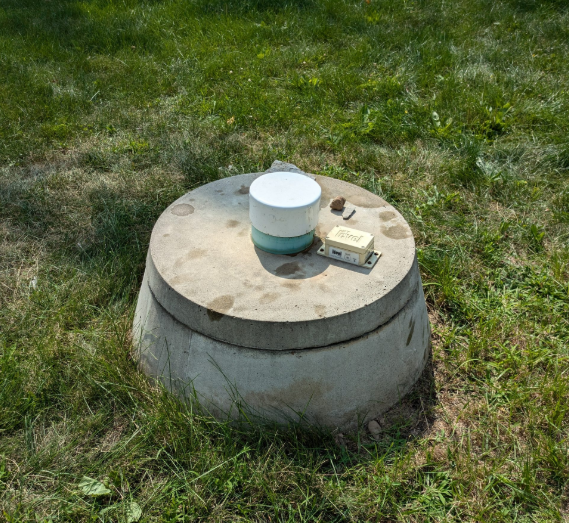
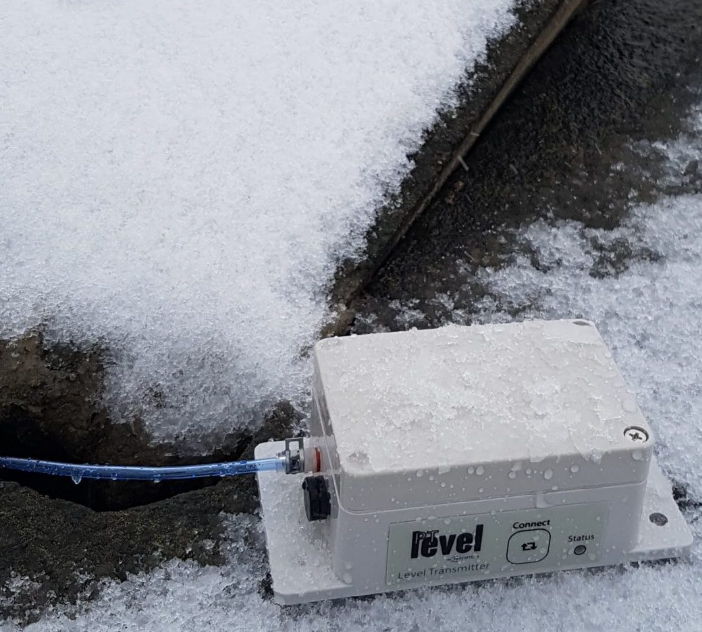
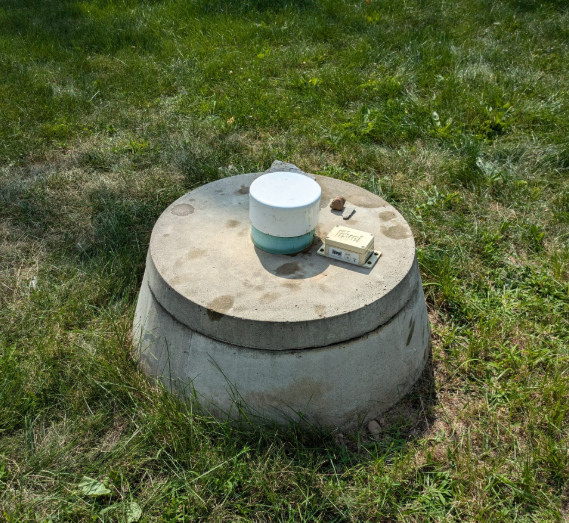
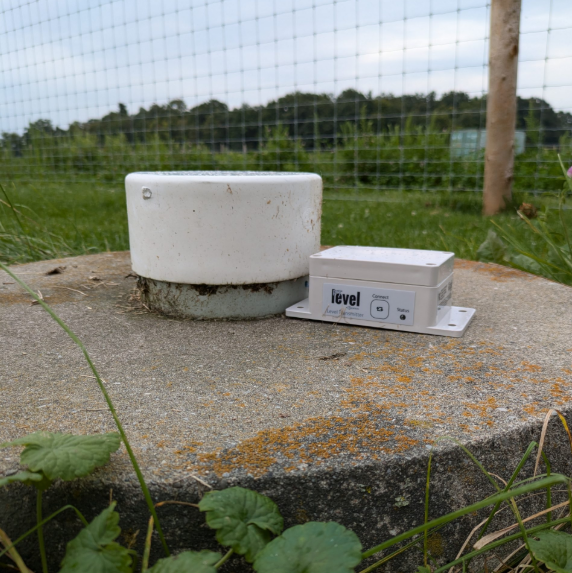
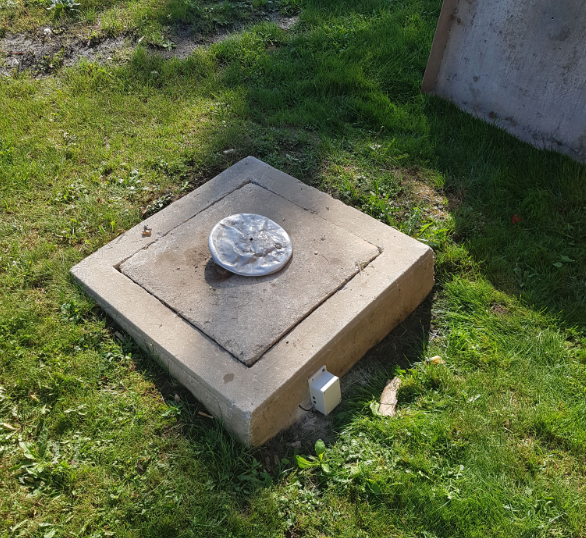
1. Cement Cisterns (For Water-Trucked Fills or Rain Collection Fills)
Cement Cistern Pros:
Durability: Cement cisterns are robust and can last for decades with minimal maintenance.
Large Capacity: Ideal for holding significant amounts of water, supporting larger households or those who need substantial reserves.
Temperature Regulation: The thick walls help keep water cool in summer and prevent freezing in winter.
Multiple Fill Options: Can be filled with trucked-in water or by collecting rainwater, offering flexibility.
Learn about monitoring water usage in cisterns.
Cement Cistern Cons:
Initial Cost: The construction cost for a cement cistern is higher than for other options.
Installation Complexity: Requires professional installation, including excavation and structural work.
Maintenance: Cracks can form over time, leading to potential leaks that need repair.
Trucked-In Water Dependency: Regular fills may become costly if rain collection is insufficient or during droughts.
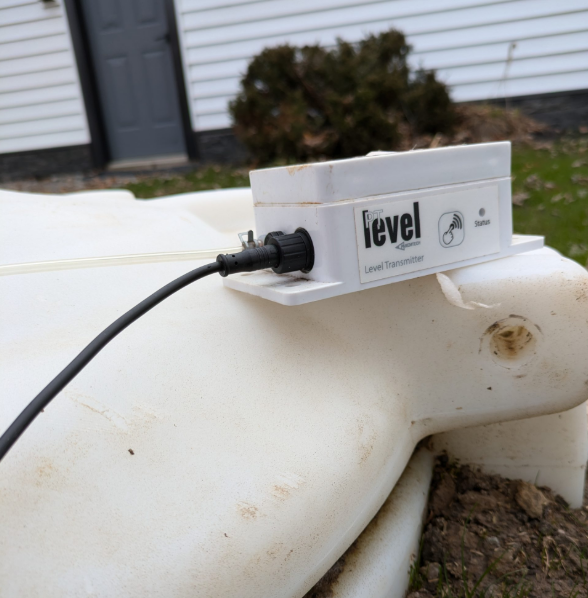
2. Plastic Cisterns
Plastic Cistern Pros:
Affordability: Plastic cisterns are cheaper than cement ones, making them more accessible for budget-conscious users.
Easy Installation: Typically lightweight and easier to set up compared to cement cisterns.
Variety of Sizes: Available in a range of sizes, suitable for small to medium water storage needs.
Non-Corrosive: Resistant to rust and corrosion, extending the lifespan of the cistern.
Easy to Clean: Even if they get dirty or get an algae bloom, they can be cleaned by power washing or with chemicals.
Plastic Cistern Cons:
Vulnerability to Sunlight: Prolonged UV exposure can degrade the material over time.
Insulation Issues: Less effective at temperature regulation, making them prone to freezing in winter and heating in summer.
Durability Concerns: Not as strong as cement and may be susceptible to punctures or damage.
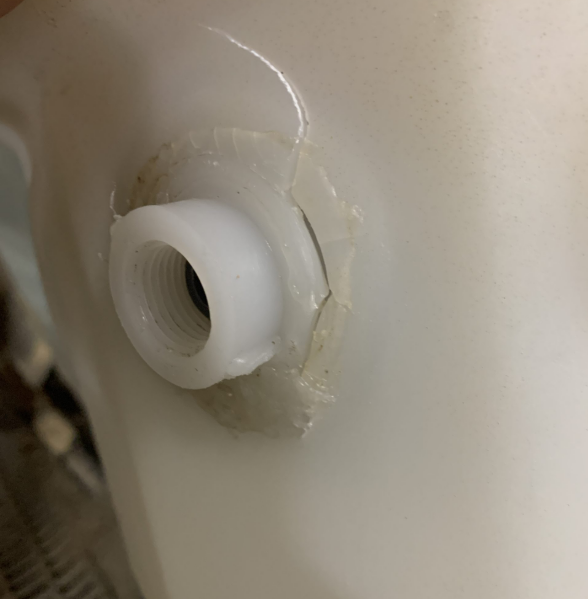
3. Drilled Wells
Drilled Well Pros:
Reliable Water Source: Can provide a steady, long-term water supply if a productive aquifer is tapped.
Minimal Maintenance: Once established, a well typically requires low maintenance beyond the pump.
High Volume: Often yields enough water to meet household needs year-round.
Drilled Well Cons:
High Upfront Cost: Drilling can be expensive, especially in hard or deep rock areas.
Dependency on Groundwater Quality: Contaminants such as minerals, chemicals, or bacteria may require additional filtration.
Energy Requirements: An electric or alternative energy pump is needed to access the water.
Regulatory Permits: May require permits and adherence to local regulations.
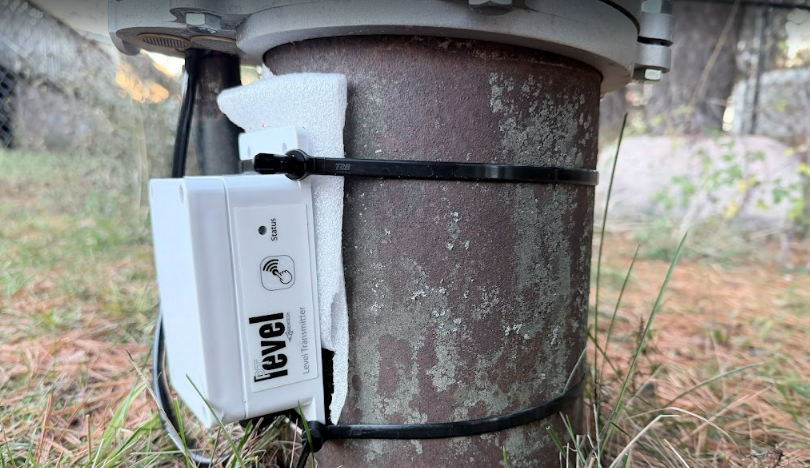
Too deep to monitor: Most deep well monitors only go to 70 feet or 22 meters depth maximum.
4. Dug Wells
Pros:
Cost-Effective: Generally less expensive to construct than drilled wells.
Shallower Depths: Easier to construct in areas with a high water table.
Lower Technology Needs: Can be simpler to install without high-tech equipment.
Cons:
Limited Water Volume: Shallower wells may run dry during droughts or heavy usage.
Contamination Risk: More susceptible to surface contamination from runoff or nearby pollutants. Read about hard water here.
Labor Intensive: Can require significant manual labor for digging and maintaining.
Prone to Collapse: Structural reinforcements are needed to prevent wall caving.
5. Rain Collection Tanks
Rain Collection Tank Pros:
Eco-Friendly: Reduces dependency on groundwater and uses a natural, renewable resource.
Customizable: Can be adapted in size and placement to fit individual needs.
Low Running Cost: Once installed, rainwater collection incurs minimal costs.
Rain Collection Tank Cons:
Weather Dependent: Not a reliable option in arid or unpredictable climates.
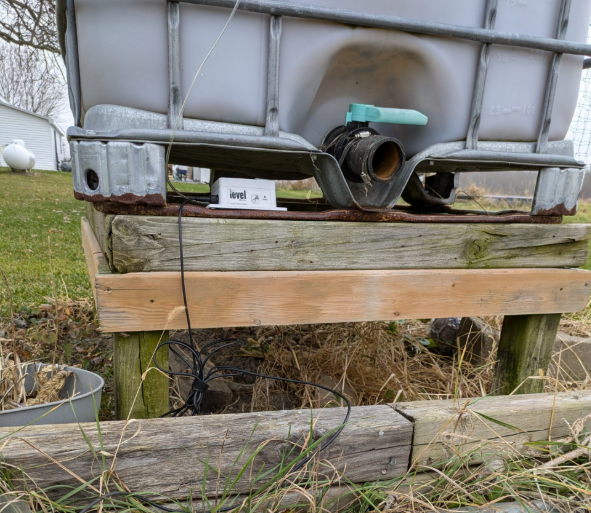
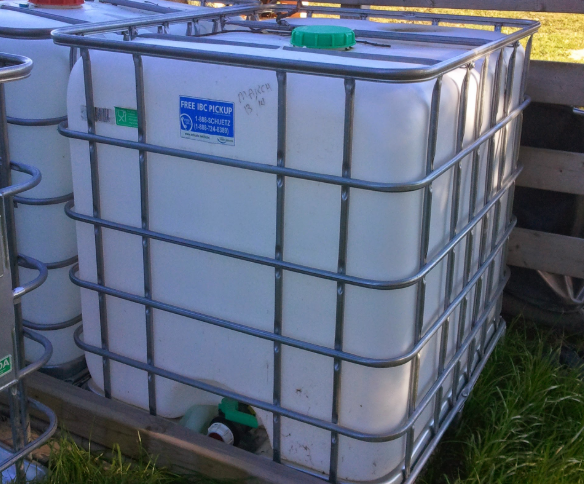
Storage Limitations: May require large tanks for sufficient storage during dry spells.
Initial Investment: High-quality tanks and proper filtration systems can be costly.
Maintenance: Regular cleaning and upkeep are needed to ensure water quality.
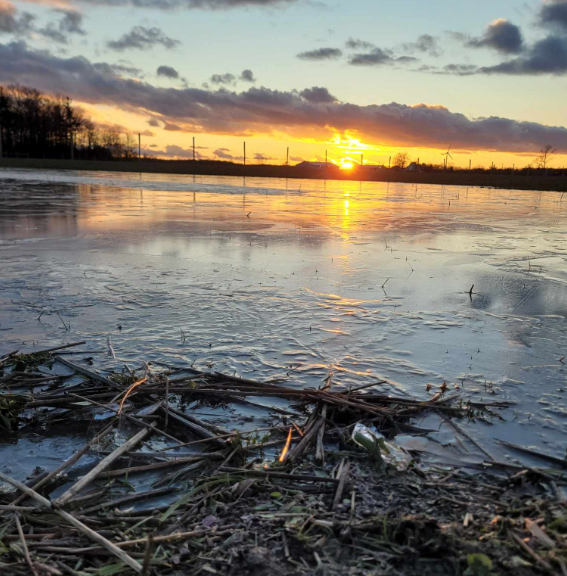
6. Streams, Ponds, and Rivers
Pros of using a pond/stream/river as a water supply
Natural Supply: Can provide a continuous source of water if nearby.
No Drilling or Digging: Minimal setup if access is already available.
Multi-Purpose: Can be used for irrigation, livestock, and other non-drinking purposes.
Streams, Ponds, and Rivers Cons:
Seasonal Variability: Water levels may fluctuate with seasons, affecting availability.
Contamination Risk: Natural water sources can harbor bacteria, pollutants, or runoff contaminants and require treatment.
Access and Rights: Legal restrictions may limit water use from these sources.
Infrastructure Needs: Pumps, pipes, and filtration systems are often necessary to make the water suitable for use.
Conclusion
When selecting an off-grid water supply option, consider factors such as cost, maintenance, climate, and local regulations. Cement and plastic cisterns are great for those needing substantial storage, while wells offer steady supplies if groundwater is accessible. Rain collection is ideal for eco-conscious homeowners, and natural water bodies are useful with the right filtration. Each option comes with unique benefits and challenges, so choose based on what aligns with your lifestyle and location.